Japan and the IEA plan a hub for Asia’s oil security
The proposed hub would help countries prepare oil reserves and coordinate emergency responses. Funding and access rules will determine its practical value.
By The Strategic Newb Editorial Team
Event: · Published:
The Strategic Newb
Japan and the International Energy Agency said on November 17 that they intend to work together towards an oil-security hub for Asia. The proposed centre would support the design of stockholding systems, share market information and examine ways to coordinate emergency responses. For businesses that depend on imported fuel, its eventual value would lie in having oil available when normal deliveries fail. Joint statement
Three details of the plan
- The statement describes an intention to realise the hub. It sets out its proposed work without specifying a new volume of oil purchased. Joint statement
- JOGMEC, Japan’s metals and energy security organisation, would host it in Tokyo, with expertise from the IEA. Joint statement
- An Asia Oil Security Task Force was established at the November 17 meeting. The hub would contribute to that task force’s work. Joint statement
What a reserve can do when a delivery is late
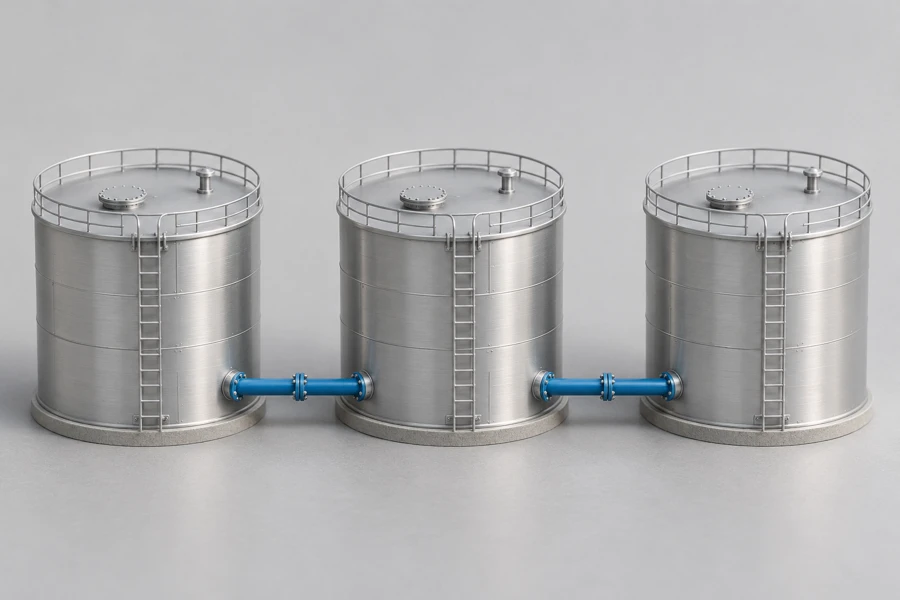
A refinery normally plans around a sequence of incoming cargoes. If a shipment cannot arrive, it can seek a replacement, use oil already stored or reduce production. Each option has a cost. A replacement cargo may be more expensive, while reduced production can leave downstream customers competing for less fuel. An accessible reserve creates another way to bridge the interruption.
The word accessible matters. A tank can contain oil that a particular refinery cannot readily process, or stand far from the customer that needs it. Ports, pipelines, available ships and permission to release the stock all influence how soon the reserve becomes useful. Sharing information can help identify those constraints before a crisis forces decisions.
Who pays to keep oil waiting?
Holding oil means committing money before anyone uses it. The owner also pays for storage, maintenance and financing. A government may bear those costs directly, or require businesses to hold reserves under national arrangements. Either route creates a question about who ultimately pays, through taxes, company margins or fuel prices. Cooperation can improve the use of existing facilities, but new tanks and transport connections would require separate investment decisions.
AP reported Prime Minister Sanae Takaichi’s proposal in Manila against the background of oil-supply shocks. The published joint statement gives the narrower operational starting point. Its programme concerns preparation, analysis and cooperation. It provides no basis for calculating a fall in fuel prices or an immediate increase in deliveries. AP · Joint statement
What to watch next
The next useful details are funding, participating countries and rules governing access to stored oil. For a transport business, a refinery or an industrial customer, the practical question is how long an interruption can be covered and how quickly supplies can reach the right location. For equipment and storage providers, an announced framework becomes a commercial opportunity when a funded project produces orders. The statement gives no completion date for new physical capacity.