Oil prices fall on truce hopes, but supply recovery remains uncertain
Friday’s oil-price decline reflected diplomatic hopes. A durable reduction in energy costs still depends on physical supply and reliable shipping.
By The Strategic Newb Editorial Team
Event: · Published:
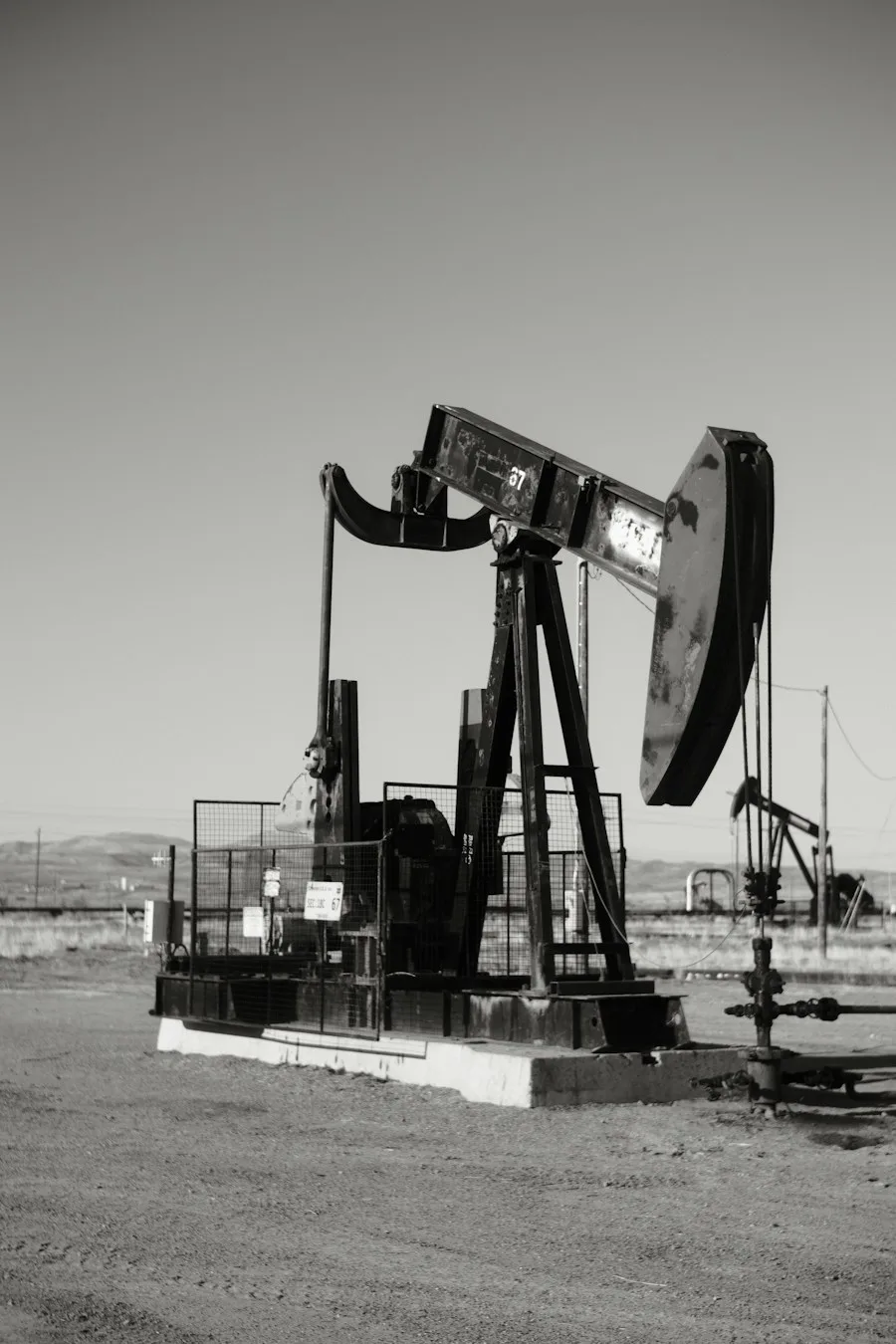
Oil prices fell during Friday trading as traders assessed the possibility of a US-Iran truce. For businesses and households, however, the more consequential question is whether diplomatic progress produces a sustained improvement in energy deliveries.
Three key points
- At 16:12 UTC on September 25, Reuters reported Brent futures at $103.64 a barrel, down 2.8%.
- The report described negotiations, alongside continuing risks to regional supplies; it did not establish a completed settlement.
- Physical shipments and the reliability of export routes will help determine whether lower energy costs endure.
What happened in the market
Reuters reported WTI futures at $91.75, down 3.0%, at the same Friday observation time, equivalent to 18:12 in Amsterdam. These figures are an intraday snapshot, not settlement prices or live Saturday quotations. The report linked the decline to growing truce hopes while noting risks from attacks affecting Saudi Arabia. Reuters.
The primary-source background shows why physical supply matters. The US Energy Information Administration's August energy-security material estimates oil flows through Hormuz at 4.9 million barrels a day in the second quarter of 2026, compared with 21.6 million in the fourth quarter of 2025. Those historical quarterly estimates are not a measure of this weekend's traffic. EIA energy-security data.
How diplomatic news can affect prices
The following is economic interpretation. Oil contracts incorporate expectations about future availability. If traders assign a higher probability to restored exports, prices can adjust before additional cargoes arrive. That repricing can reverse if negotiations fail or shipping remains unreliable.
An agreement's wording therefore matters less for lasting cost relief than its implementation. Producers need functioning export facilities, shipowners need acceptable operating conditions, and buyers need confidence that cargoes will arrive. Insurance and freight costs can remain elevated even if the crude price falls.
What this could mean for economies
Oil-importing economies could benefit from a sustained decline through a smaller import bill. Companies using road transport, aviation fuel or petroleum feedstocks could also see costs ease. The speed and size of any benefit depend on contracts, hedging and local taxes; a daily futures move does not translate directly into a matching fall at the pump.
For households, cheaper fuel could leave more income available for other purchases. If energy prices stay high instead, that pressure remains. Exporting economies face the other side of the calculation: lower prices can reduce revenue per barrel, while restored volumes can offset part of that loss.
Which business effects deserve attention
Refiners, transport operators and manufacturers have different exposures. A refinery's margin depends on the relationship between crude input costs and the prices of its products. An airline's outcome depends partly on when it purchases fuel and whether demand holds up. It would be misleading to label every energy-related business a winner or loser from one benchmark move.
What remains uncertain, and what comes next
No completed truce is verified in the sources used for this edition. The latest directly timestamped oil quote included here is from Friday afternoon. Subsequent headlines should be checked against official statements and operational evidence before treating a recovery as established.
Watch for agreed implementation terms, sustained tanker transits, export loadings and changes in freight or insurance conditions. Also compare crude and refined-product prices: relief at one stage of the supply chain may not reach end users immediately. The next meaningful update should establish a change in those conditions, rather than simply repeat diplomatic hopes.
Sources
- Reuters via MarketScreener — Oil prices drop about 3% as US, Iran explore path out of war, 2026-09-25.
- US Energy Information Administration — Short-Term Energy Outlook: Energy security and trade, 2026-08.