SEC Crypto Custody Proposal: Who Would Hold the Keys?
The SEC proposes more custody options. Adviser self-custody changes who holds client assets; it does not remove market or operational risk.
By The Strategic Newb Editorial Team
Event: · Published:
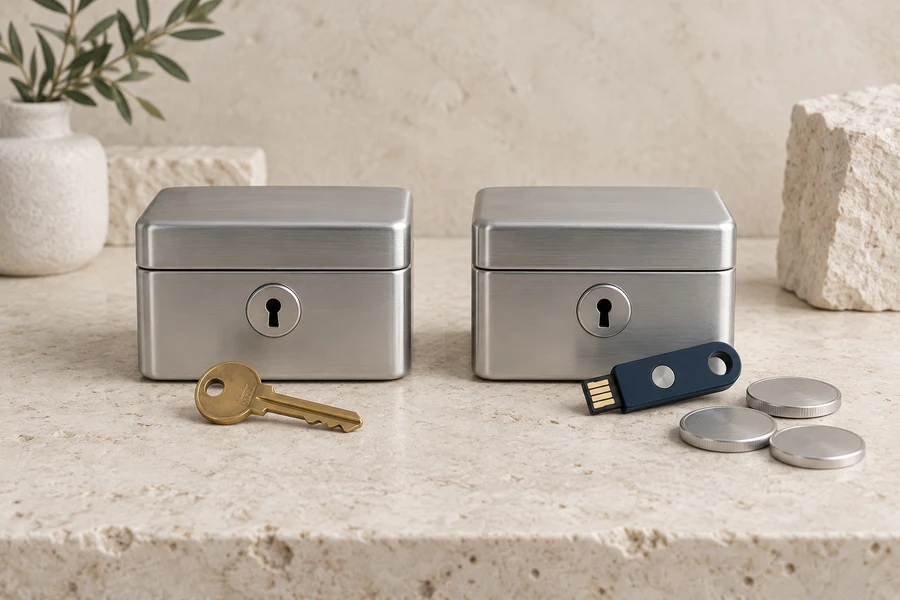
AI-generated with OpenAI image generation for The Strategic Newb
The SEC proposed new crypto-custody rules on 1 October for registered investment advisers and regulated funds. The proposal would expand possible custody arrangements, including eligible state trust companies and limited adviser custody. It is a proposal, not a final rule or a declaration that crypto investments are safe. For beginners, the practical question is who controls the assets and who must safeguard them.
Three key points
- Custody concerns control and safeguarding, not whether a token will retain its market value.
- Adviser self-custody is different from an investor managing a personal wallet.
- More possible providers could change competition and costs, but safeguards and final rules remain crucial.
Who holds the keys
In her statement on the proposal, Commissioner Hester Peirce explains that adviser “self-custody” means the adviser holds clients’ assets. A threshold condition would be determining that no permitted custodian is available, initially and quarterly thereafter. The distinction prevents a common misunderstanding: the client is not necessarily the person controlling the wallet. The proposal’s legal scope also depends on the asset and the regulated entity; it does not automatically cover every crypto holding.
A private key is secret information used to authorise transactions. Losing control of it can create a loss even when the asset’s market price has not fallen. Custody arrangements determine how access is controlled, transactions are approved and records are maintained. An attractive trading interface does not answer those questions. Neither does a familiar company name establish what legal claim a customer has if something goes wrong.
Competition does not remove operating costs
The Block independently reported the proposal and its custody alternatives. More eligible providers could give firms additional choices and create pressure on fees. That is a possible economic effect, not an observed reduction in charges. Providers still need security systems, trained staff, monitoring and recovery procedures. Moving custody inside an adviser can move those responsibilities rather than eliminate them.
Combining investment decisions with custody may simplify some operations, but also makes internal controls important. The customer needs to understand who can initiate a transfer and how an unauthorised action would be detected. Outsourcing introduces its own dependency on another organisation. Neither arrangement is automatically superior in every case. The relevant comparison includes total costs, accountability and the quality of practical safeguards.
What this means for a new investor
Keep market risk separate from custody risk. A securely held token can still lose value. Owning a fund share is also different from directly holding its underlying tokens, and the fund’s arrangements determine the investor’s exposure. A regulatory proposal does not create deposit insurance, guarantee withdrawals or make a particular investment suitable. Read the actual product structure rather than assuming a custody headline changes every crypto account.
What to watch next
The SEC says comments remain open for 60 days after publication in the Federal Register; this is not necessarily 60 days from the press release. Follow the published deadline, submitted responses and any final text. Until then, distinguish proposed permissions from current obligations and marketing claims from evidence that a provider can perform its custody duties.
Sources
- SEC: SEC Proposal Would Address How Investment Advisers and Funds Can Custody Crypto Assets — 2026-10-01
- SEC / Hester Peirce: Statement on Proposed Adviser and Regulated Fund Custody Rules — 2026-10-01
- The Block: SEC proposes framework allowing investment advisers, funds to self-custody crypto — 2026-10-01