Trump Rejects Hormuz Plan: Why Global Energy Risks Persist
Trump’s rejection of Iran’s Hormuz proposal leaves a critical energy route in focus. The next test is whether diplomacy delivers reliable shipping and relief from inflation pressure.
By The Strategic Newb Editorial Team
Event: · Published:
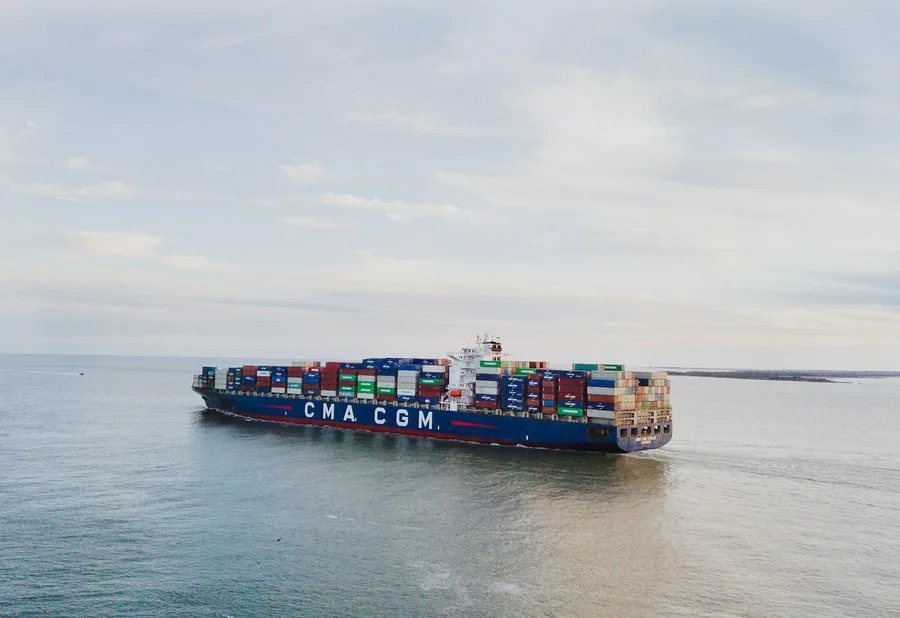
The prospect of a quick diplomatic opening in the Strait of Hormuz has suffered a setback. On Saturday, September 26, US President Donald Trump said he had rejected Iran’s proposal to reopen the waterway and end regional fighting, according to Reuters’ latest report.
The economic question is how long uncertainty over energy supplies will last. A sustained recovery in shipping could ease pressure on fuel costs and inflation. Another failed diplomatic attempt leaves businesses and households exposed to a disruption whose effects reach well beyond the Gulf.
Three things to know
- Iran’s proposed seven-day process depended on US acceptance; it was never an agreed reopening deadline.
- Friday’s easing in oil prices preceded Saturday’s rejection and cannot be presented as a market response to it.
- Reliable shipping, sustained energy deliveries and the inflation outlook matter more than an optimistic headline alone.
What changed in the Hormuz negotiations?
Iran had offered to restore passage and resume nuclear discussions if Washington met conditions including lifting its blockade of Iranian ports, waiving oil sanctions and observing a ceasefire extending to Lebanon. Foreign Minister Abbas Araghchi described the proposal on Friday. Associated Press reporting makes clear that its timetable would begin only after US acceptance.
Saturday’s rejection therefore changes the immediate diplomatic picture. It does not establish when negotiations might resume or what a revised agreement would contain. Readers should treat the proposed seven days as a conditional sequence, not a countdown already under way.
This article reflects the Reuters update timestamped 11:04 a.m. EDT on September 26. It reports a rejection of this proposal, not proof that every future diplomatic route has closed. Reuters
Why shipping access affects economies far away
The transmission mechanism starts with physical supply. If fewer cargoes can move reliably, buyers must compete for alternatives, adjust delivery schedules or draw down stocks. Additional uncertainty can also make transport and inventory planning harder. These are economic channels to monitor, not measured estimates of the impact of Saturday’s announcement.
There is evidence from earlier in this conflict. In its July review, the US Energy Information Administration found that second-quarter Hormuz disruptions had increased oil-price volatility and pushed buyers toward alternative petroleum-product supplies. US distillate and jet-fuel exports reached records during that quarter. Those observations describe an earlier period; they do not establish today’s transit volume.
The practical implication is that disruption can redistribute costs and opportunities. A refinery able to supply displaced demand may benefit while an airline buying more expensive fuel faces pressure. Even within one country, the effects can differ sharply between producers, importers and consumers.
The link from energy to inflation and borrowing costs
More expensive fuel can raise operating costs for transport and energy-intensive businesses. A company can absorb the increase, charge customers more or reduce other spending. Which response dominates depends on competition, contracts and the strength of demand. Households may feel the effect through fuel purchases and, less directly, delivered goods and services.
Monetary policy adds another layer. On September 16, the Federal Reserve raised its target interest-rate range by a quarter percentage point to 3.75%–4.00%, citing elevated inflation. That decision predates this weekend’s diplomatic development. It would be inaccurate to attribute the increase to Saturday’s rejection or imply that the next decision is settled.
If energy pressure persists and spreads, it could complicate the return to lower inflation. If deliveries recover and costs ease, that would remove one source of pressure, but other inflation drivers would remain. A single diplomatic announcement cannot determine the path of interest rates.
The IMF warned earlier this month that rising advanced-economy yields were lifting borrowing costs elsewhere. That helps explain why a Gulf supply problem and a US bond-market development belong in the same global story: energy costs and financing conditions can squeeze an importer at the same time.
Friday’s market relief needs a date label
Reuters’ Friday market report, published on September 26, said oil prices fell about 3% as hopes for a US–Iran truce improved. It also reported that the benchmark US ten-year Treasury yield edged lower after reaching its highest level since 2007.
Those moves describe Friday, September 25. They are not live Saturday prices and do not measure investors’ response to Trump’s subsequent rejection. The sequence matters: expectations of relief were influencing markets before the latest setback became part of the picture.
For the next trading sessions, the useful question is whether any price change is accompanied by evidence of improved supply or revised diplomatic terms. An initial market move alone would not demonstrate that shipping conditions have normalised.
Resilience makes the outlook more complicated
A prolonged energy shock does not automatically imply a global recession. In research published on September 25, Citi forecast global growth of 2.6% this year and 2.8% next year, highlighting adaptation and AI-related investment. These are Citi’s projections, not guaranteed outcomes or a forecast produced for this article.
That resilience cuts both ways. Continued activity can support employment and demand, but it can also make inflation harder to bring down when supply remains constrained. The central uncertainty is the balance between the economy’s capacity to adjust and the duration of the disruption.
What to watch next
Watch for an official revised proposal or an agreed sequence of steps, followed by evidence that commercial passage is becoming safer and more dependable. No verified reopening date is available in the sources reviewed for this edition.
Next, distinguish actual cargo movements from statements about access. Track sustained changes in oil and refined-product supplies, inventories and transport costs. Finally, follow inflation releases and central-bank explanations for signs that energy pressure is spreading or fading.
The decisive development would be a durable improvement in the movement of energy and its delivery cost. Until that is visible, Hormuz remains a global economic story with consequences that a single day’s price movement cannot capture.
Sources
- Reuters via MarketScreener: Trump rejects Iranian proposal to open Hormuz and end fighting (2026-09-25).
- Associated Press via WHDH: Iran proposes a deal to reopen the Strait of Hormuz in 7 days if the US meets its conditions (2026-09-25).
- US Energy Information Administration: Petroleum markets responded to disruptions in the Middle East in the second quarter (2026-07-15).
- Reuters via The Edge Malaysia: Battered bonds draw support from falling oil prices; stocks buoyed by AI enthusiasm (2026-09-26).
- Federal Reserve: Federal Reserve issues FOMC statement (2026-09-16).
- Citi Research: Global Resilience Sunshine Despite Very Cloudy Skies (2026-09-25).
- International Monetary Fund: IMF Managing Director statement at the conclusion of the G20 finance meeting (2026-09-01).