Why is nightlife disappearing? The reasons clubs are closing
The Strategic Newb Editorial Team
Updated:
Translated from the original; figures and sources have been preserved. Read the original →
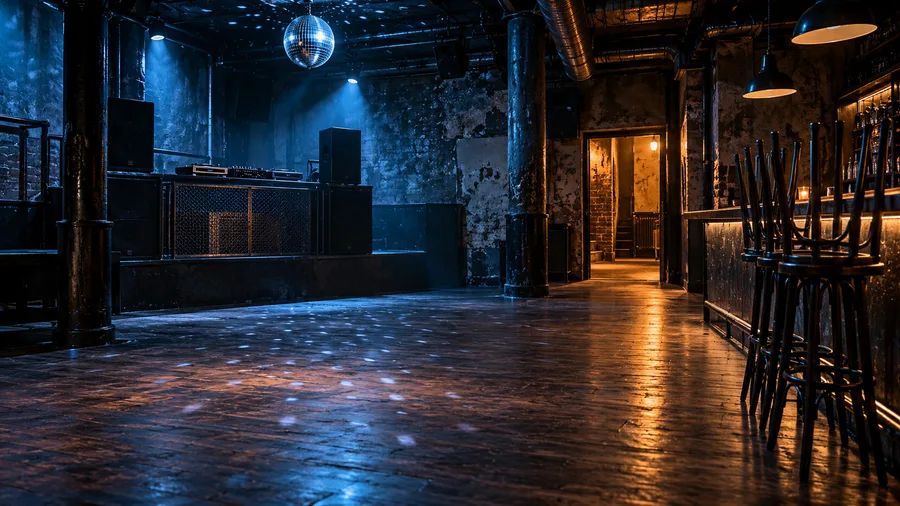
A vanished disco, a beloved club replaced by new development, a night out that takes an ever larger bite out of your budget. Nightlife is under pressure in many Western countries. From the Netherlands and Britain to Germany and Australia, venues are closing or organisers are struggling to keep programmes affordable.
Young people are often blamed. Generation Z supposedly drinks less, prefers staying home and has swapped the dance floor for a screen. But that story explains only part of the change.
Looking at why nightlife is disappearing reveals an interaction between rising costs, property pressure, regulation and changing habits. Affordable places where people regularly meet appear particularly vulnerable.
Is nightlife really disappearing?
There is clear evidence that permanent nightlife venues are losing ground. Yet concerts, festivals and special parties can still thrive. We therefore need to distinguish the disappearance of clubs from the disappearance of the desire to go out.
In Britain, the number of late-night venues fell by 26.4% between March 2020 and mid-2025. Wider hospitality contracted by 14.2% over the same comparison. Late-night businesses were therefore hit relatively hard. The category studied includes more than nightclubs alone. Source: CGA/NIQ
The Netherlands also faces difficulties. Across 55 VNPF member music venues, total attendance fell almost 5% in 2025, particularly on club nights. More than half ended the year with a financial loss. These figures concern member music venues, not a complete count of Dutch clubs. This is a Dutch example. Source: VNPF
The pressure is demonstrable, but it does not develop in the same way in every country, city or type of venue.
1. Going out costs more for visitors and clubs
A night out involves more than a ticket. Drinks, transport, the cloakroom and possibly food all contribute to the bill. When the total rises, visitors may decide to go less often.
Costs are rising on the other side of the bar too. Clubs pay rent, staff, security, energy and performers. A reasonably full room therefore does not guarantee profit.
European research from Live DMA reflects this. The network describes venues regaining audiences after the pandemic while rising costs made financial recovery harder. Source: Live DMA
A downward cycle can follow: higher costs lead to higher prices, visitors come less often, and organisers must raise prices further or reduce their programmes.
This explains why clubs can close even where demand remains.
2. Lower alcohol sales weaken the business model
Many venues fund part of their music programme through bar revenue. If visitors drink less, the financial foundation of the night changes.
A 2026 Berlin study describes this tension. Surveyed operators and organisers say drinks sales contribute less to funding club culture, making admission more important. At the same time, 92% of respondents view entry prices as a barrier for certain groups. Source: Clubcommission Berlin
Drinking less does not automatically mean people want to dance or meet less. It does mean that clubs heavily dependent on alcohol sales must adapt.
The future of nightlife therefore also depends on how music, social connection and culture can be funded when visitors spend less at the bar.
3. Property pressure pushes cultural venues out
Nightclubs need space that is affordable and suitable for noise, visitor flows and late opening hours. That combination is hard to find.
A former factory or warehouse can be an attractive cultural venue for years. As its neighbourhood becomes more popular, higher rents and redevelopment can threaten its survival.
In the 2026 Berlin study, only 8% of surveyed organisations own their venue. Another 31% operate with rental or lease agreements lasting less than five years. This makes long-term investment uncertain. Source: Clubcommission Berlin
The tension is clear: a club can be important to a neighbourhood’s identity and appeal while another use generates more money.
That does not automatically make housing development the enemy of nightlife. It does call for planning that takes both uses seriously before conflicts over space and noise arise.
4. Regulation shapes where and how people go out
Licences, noise limits and opening hours help determine whether a venue can exist. Complex or overlapping procedures can be a particularly high barrier for small organisers.
Sydney shows how large the consequences can be. A 2019 parliamentary inquiry linked entry and alcohol-sale restrictions to a contraction in live music and venue closures. Source: NSW parliamentary inquiry
The trade-off is more complicated than simply removing rules. The official evaluation also found reduced violence, with some displacement to other nightlife areas. Source: BOCSAR
This is a historical policy example: in 2026 NSW announced the removal of the remaining major lockout conditions, including the 3:30am last-drinks rule. Source: NSW Government
Good nightlife policy must therefore combine cultural space with safety, workable noise agreements and clarity for businesses and residents.
5. Young people really are going out differently
Blaming young people alone is too easy. Ignoring their behaviour entirely is no more convincing.
The Dutch Grote Uitgaansonderzoek found less frequent going out among surveyed club and festival visitors. Weekly club attendance fell from 24.3% in 2020 to 13.1% in 2023. Weekly pub visits and house-party attendance also declined.
The survey covers a selected group of nightlife visitors and does not follow the same individuals over time. Its figures are not a precise description of all Dutch young people. They do suggest changes beyond club attendance alone. This is a Dutch example, not a European average. Source: Trimbos Institute
The relevant question is why people go less often. Higher prices, different preferences and changes in available venues can all play a role at once.
Club closures began before Generation Z
The trend also predates today’s generation of young adults.
A French SACEM study documented in 2014 a fall from around 4,000 discos in the 1980s to roughly 2,000–2,500, depending on the definition. It pointed to economic pressure, regulation and competition from other forms of partying. Source: Banque des Territoires on the SACEM study
The pandemic then intensified existing problems. It interrupted income and routines, while venues faced a different cost structure after reopening.
Club closures therefore cannot be explained by one generation or one event.
Fewer clubs does not mean nobody wants to dance
Italy shows why nuance matters. According to SIAE, attendance at discos and dance halls fell 5.3% in 2025, while spending dropped only 0.9%. Average spending per visitor therefore rose as overall attendance declined. Source: SIAE
That distinction matters. A sector can look financially reasonable while visits decline. A sold-out event also tells us little about the affordable nightlife options available during the rest of the month.
The vulnerability may lie precisely in that everyday infrastructure: places you can visit without a large budget or a special occasion.
What does the future of nightlife need?
The developments examined suggest several areas for action:
- Affordable venues with security of tenure, allowing organisers to invest and build a community.
- Clear, proportionate licensing while maintaining safety.
- Sound agreements on noise and new development before residents and venues come into conflict.
- Safe, affordable night transport for visitors and staff.
- Business models less dependent on alcohol sales.
- Room for experimentation alongside programmes that immediately attract large audiences.
These measures do not guarantee every club’s survival. They may help prevent only the most expensive and financially strongest concepts from retaining space.
Understanding why nightlife is disappearing means looking at the whole night: the venue, programme, admission price, bar and journey home. Each can make going out less accessible. These are also the places to look for ways to make it attractive again.
Sources and developments reviewed through 18 October 2026. International figures use different definitions and study periods and cannot be directly compared.